
Choosing the right fence is one of those decisions that seems simple until you start looking into it. Metal and timber are the two most common fencing materials used around homes and properties, but each comes with its own advantages and drawbacks. The right choice depends less on trends and more on how you live, where your property is located, and how much maintenance you’re realistically prepared to deal with.
Timber fencing: a familiar, traditional option
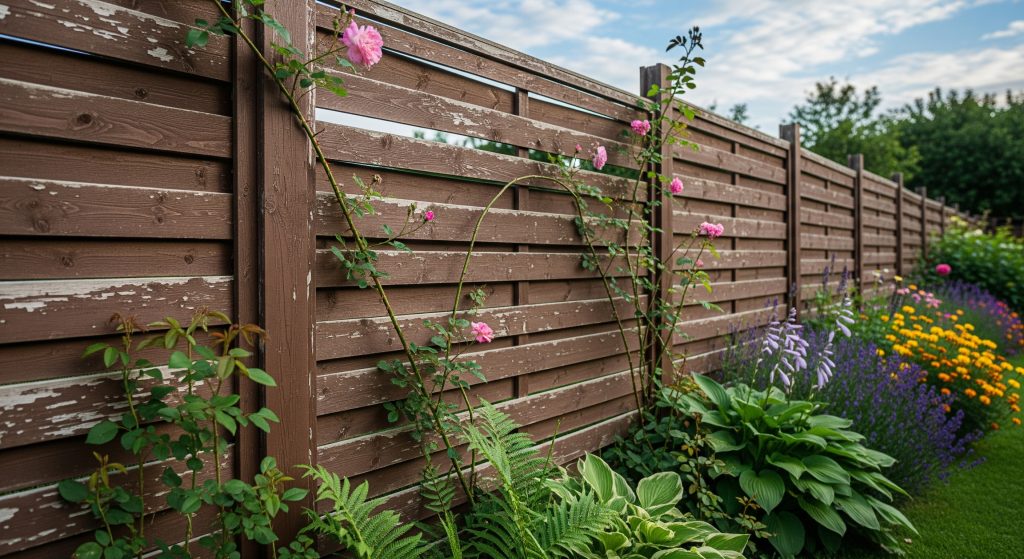
Timber fencing has been used for decades and remains popular, particularly for older homes, rural properties, and gardens where a natural look is important. Many homeowners like the warmth timber brings and how easily it blends into landscaped environments. It can feel less industrial and more “at home” in certain settings, especially where trees, planting, and softer architecture dominate.
That said, timber fencing does require ongoing care. Over time, exposure to sun, rain, and ground moisture can cause timber to warp, crack, or rot if it’s not maintained properly. In most cases, timber fences need regular staining or painting to keep them looking good and to extend their lifespan. In coastal or high-moisture areas, this upkeep becomes even more important, and replacement may be needed sooner than expected.
From a cost perspective, timber fencing often has a lower upfront price, which makes it appealing for budget-conscious builds. However, when ongoing maintenance and potential repairs are factored in, the long-term cost can add up.
Metal fencing: durable and low maintenance
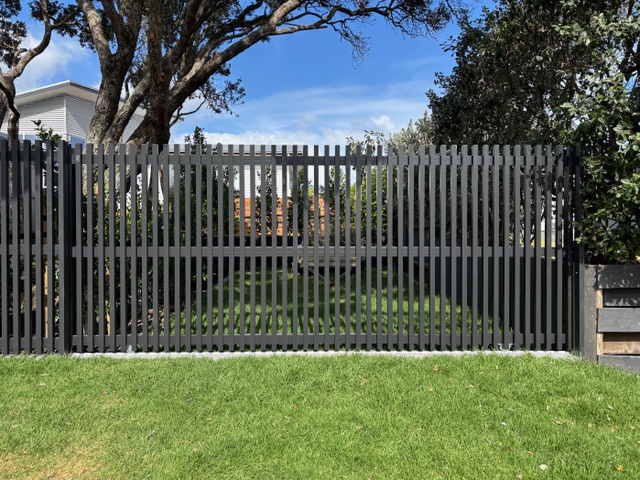
Metal fencing has become increasingly popular, particularly with modern homes and properties where clean lines and durability are priorities. One of the biggest advantages of metal fencing is how well it holds up over time. Once installed, it generally requires very little maintenance and keeps a consistent appearance for many years.
For homeowners who don’t want to worry about painting, staining, or replacing panels, metal fencing offers peace of mind. It performs well in harsh conditions, including coastal environments, and is far less likely to suffer from issues like rot or warping. This makes it a strong choice for people thinking long-term rather than just the initial build.
While metal fencing can cost more upfront, many property owners see this as an investment. The reduced maintenance, longer lifespan, and added sense of security often balance out the initial expense. Modern metal fencing designs have also evolved, offering styles that feel lightweight and considered rather than heavy or industrial.
Security and functionality
Both metal and timber fencing can provide security when designed and installed correctly. Metal fencing often feels more solid and harder to breach, which can be reassuring for homeowners concerned about safety. Timber fencing can still offer privacy and protection, but its strength and lifespan depend heavily on material quality and maintenance.
Functionality also plays a role. Gates, slopes, and ground conditions all influence which material will perform best over time. In areas where alignment and durability are critical, metal fencing tends to offer more consistency.
So, which fence is right for you?
There’s no single answer that suits every property. Timber fencing works well where appearance and character are the priority and maintenance isn’t an issue. Metal fencing is better suited to homeowners looking for longevity, low maintenance, and a clean, modern finish.
The best approach is to think about how you use your property now, how you might use it in the future, and how much time you want to spend maintaining your fence. Choosing the right material upfront can save a lot of frustration later.
Key Takeaways: Metal vs Timber Fencing
- Metal fencing is durable, low-maintenance, and long-lasting, making it ideal for modern homes or coastal environments where longevity is important.
- Cost considerations: Timber is usually cheaper upfront, but metal often saves money in the long run due to lower maintenance and replacement costs.
- Security & functionality: Both materials can provide privacy and safety, but metal tends to offer more consistent strength and reliability over time.
- Choosing the right material depends on your property, lifestyle, maintenance preferences, and long-term goals.